

 English
 中文简体
中文简体
In the rapidly evolving landscape of industrial manufacturing, the material selection process has shifted from a simple choice of “strength” to a complex evaluation of “performance-to-weight ratio” and “life-cycle efficiency.” For decades, metals like steel and aluminum were the default choice for structural integrity. However, the rise of Modified Engineering Plastics has fundamentally disrupted this status quo. These advanced materials are no longer just aesthetic covers; they are high-performance composites capable of replacing metal in the most demanding environments.
The Evolution of Modified Engineering Plastics: Beyond Basic Polymers
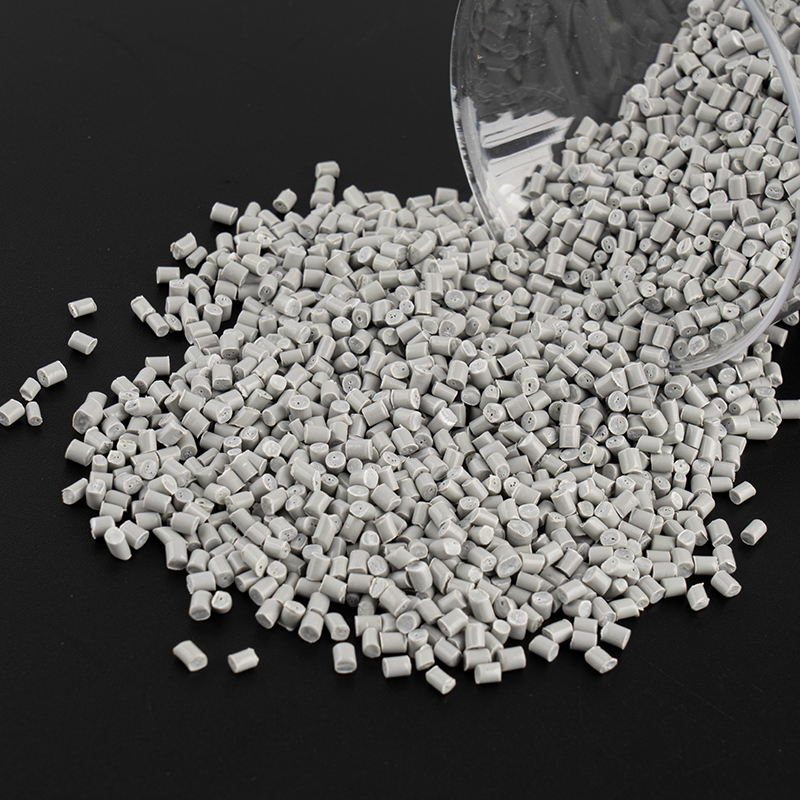
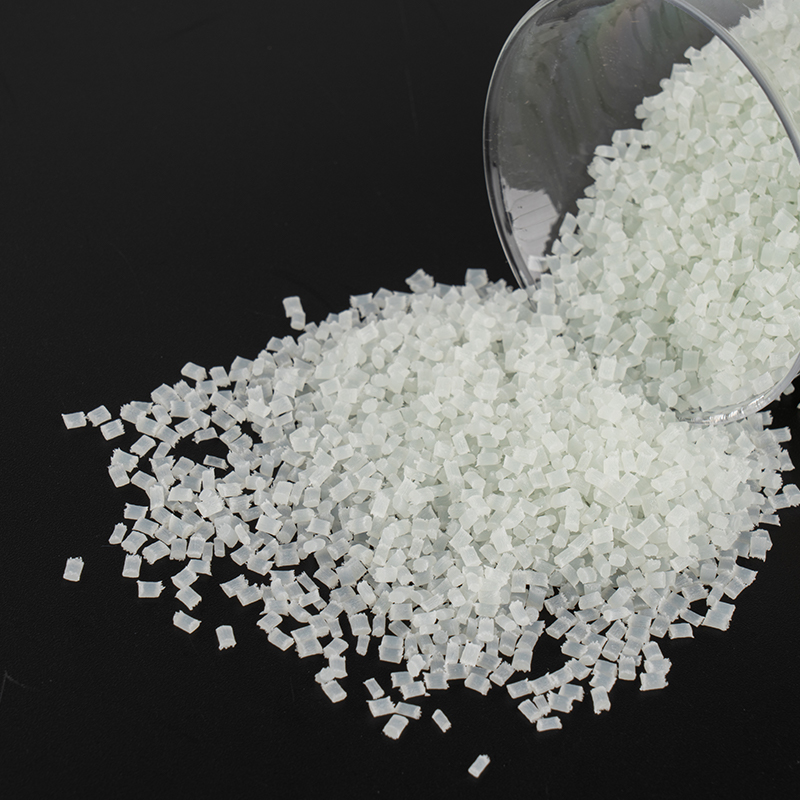
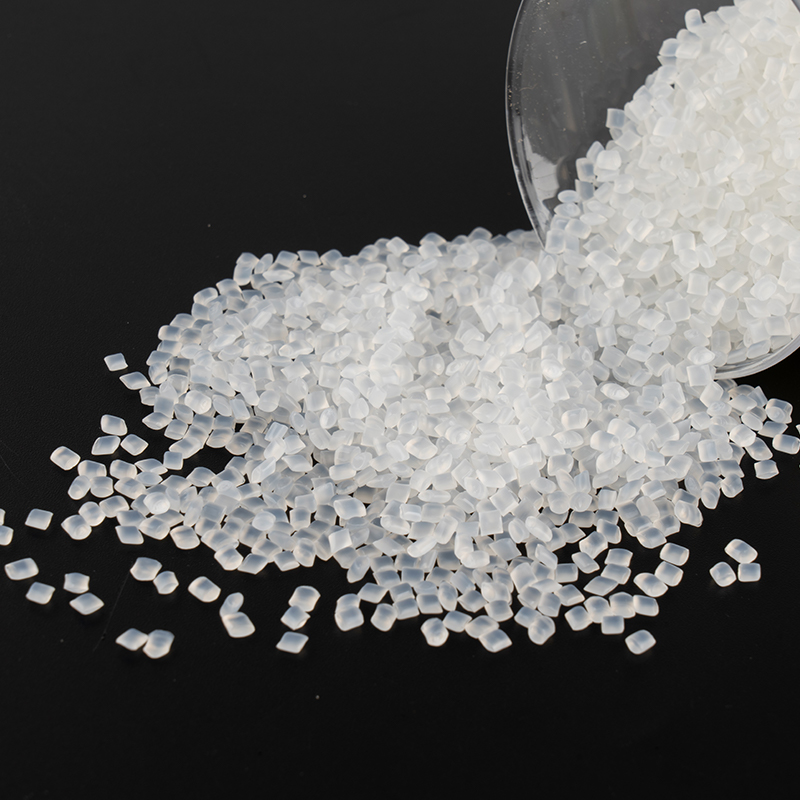
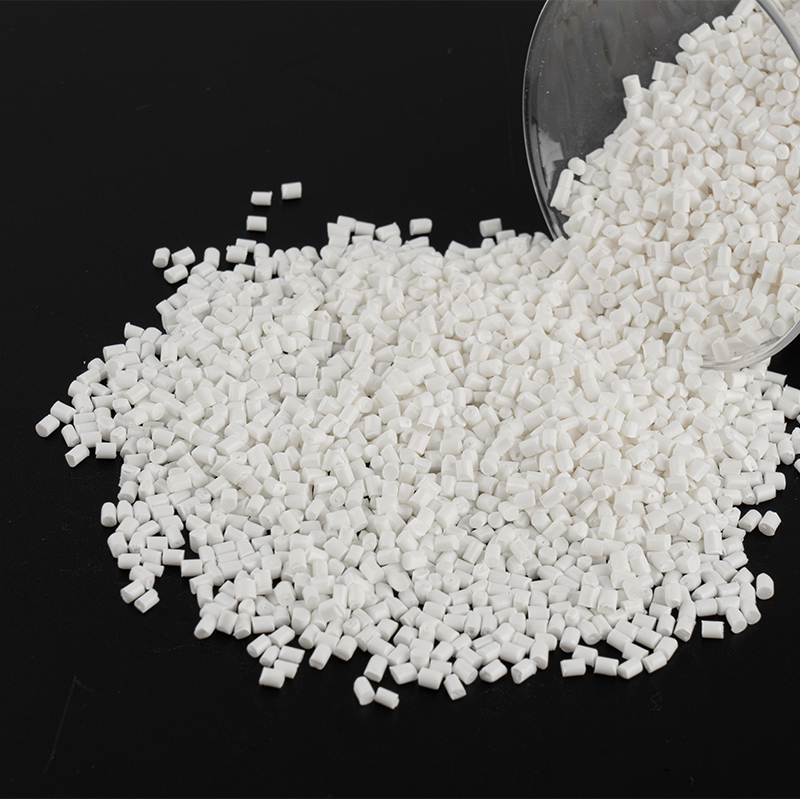
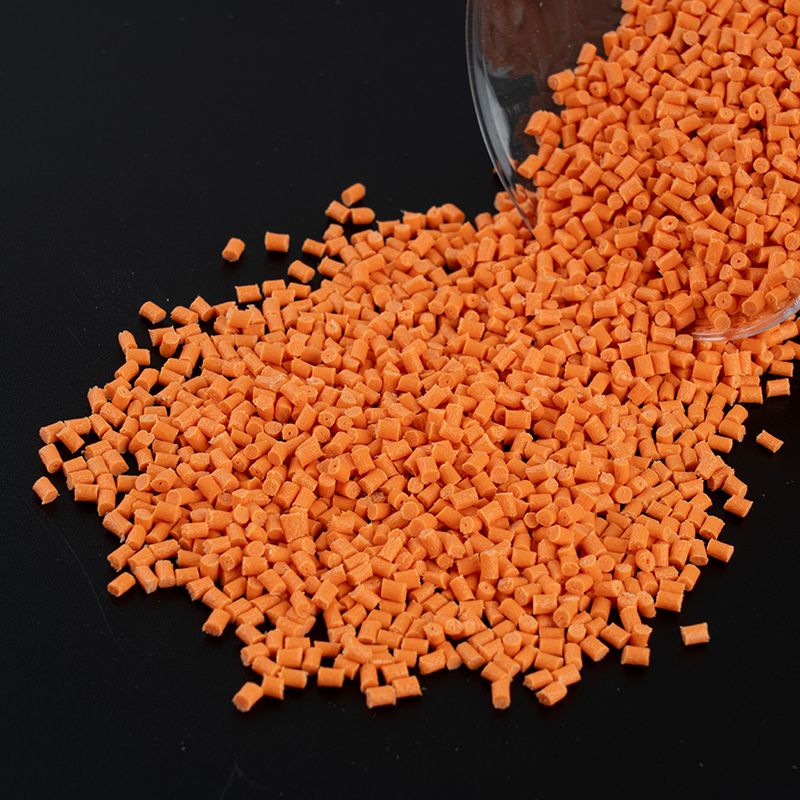
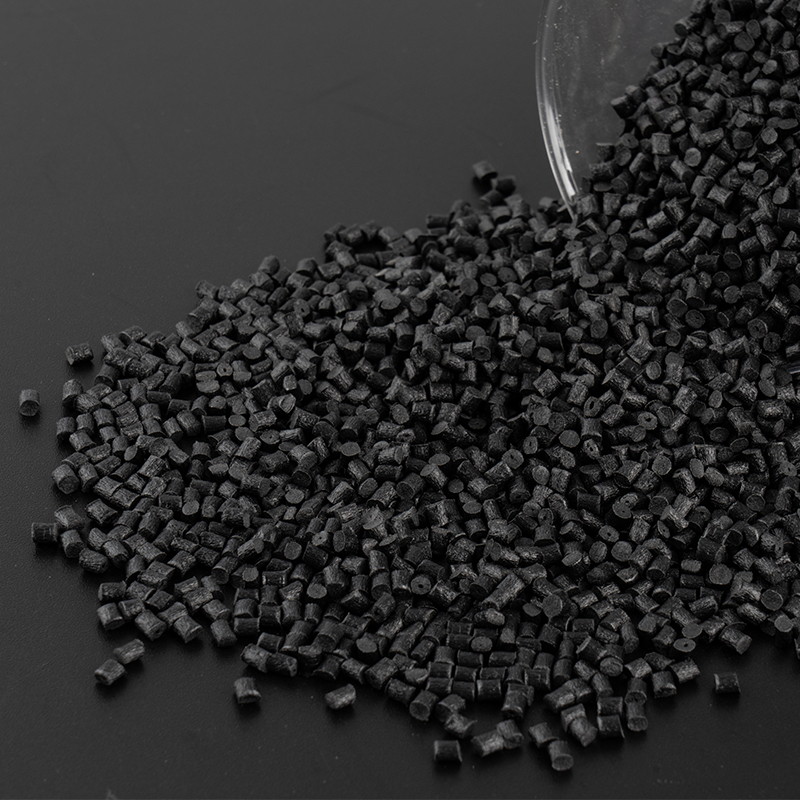
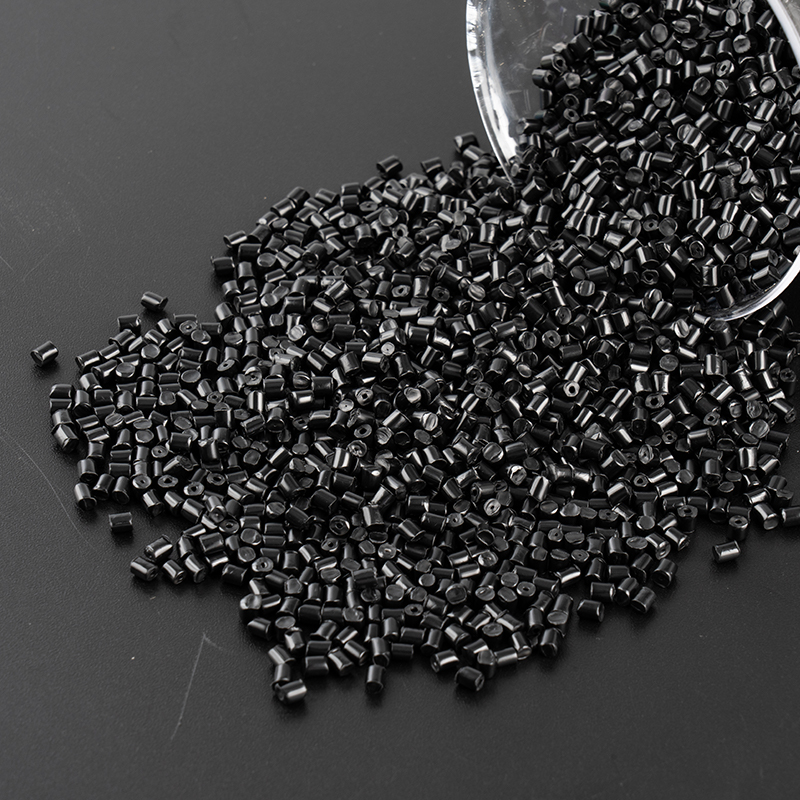
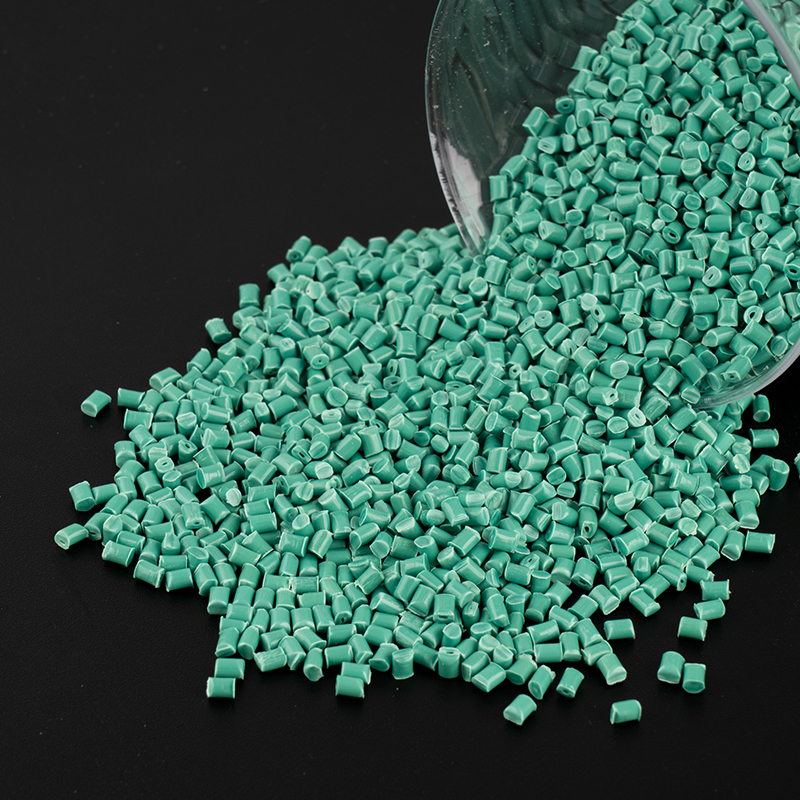
The term “plastic” often fails to capture the technical sophistication of modern Modified Engineering Plastics. Unlike standard commodity resins, modified engineering plastics are the result of precise molecular engineering and compounding. This process involves taking a base resin—such as Polyamide (PA), Polycarbonate (PC), or Polybutylene Terephthalate (PBT)—and integrating specialized additives to enhance its inherent properties.
The Science of Polymer Compounding
By incorporating reinforcing agents such as glass fibers, carbon fibers, or mineral fillers, manufacturers can create a material that exhibits extraordinary stiffness and dimensional stability. For instance, a 50% glass-fiber-reinforced PA66 can achieve a tensile modulus that approaches that of some die-cast metals. This “tailor-made” approach allows engineers to specify a material that meets exact requirements for impact resistance, heat deflection, and chemical compatibility, offering a level of flexibility that monolithic metals cannot provide.
Breaking the Strength-to-Weight Barrier
The most compelling argument for switching to modified polymers is the massive reduction in density. While steel has a density of approximately $7.8 \text{ g/cm}^3$ and aluminum $2.7 \text{ g/cm}^3$, most modified engineering plastics sit between $1.1$ and $1.6 \text{ g/cm}^3$. In applications like electric vehicle (EV) battery housings or aerospace components, this weight saving translates directly into increased range, lower energy consumption, and reduced carbon emissions. When you calculate strength per unit of weight, modified plastics often outperform their metallic counterparts.
Superior Durability: Corrosion Resistance and Chemical Stability
One of the most significant lifecycle costs associated with metal components is corrosion. Whether it is rust on automotive chassis parts or oxidation on industrial valves, metal requires expensive secondary treatments like galvanizing, powder coating, or chrome plating to survive harsh conditions.
Inherent Corrosion Resistance
Modified Engineering Plastics are naturally inert to many of the chemicals that cause metal to fail. For example, materials like Polyphenylene Sulfide (PPS) or PEEK are virtually unaffected by road salts, automotive fluids, and industrial solvents. This inherent resistance eliminates the need for toxic and costly surface coatings, simplifying the supply chain and reducing environmental impact. In chemical processing industries, switching to modified plastic components can extend the service life of equipment by up to 300% compared to standard steel.
Performance in Extreme Environments
Modern compounding allows for the creation of “super-plastics” that maintain their structural integrity in environments that would compromise traditional materials. UV stabilizers are added to prevent degradation from sunlight in outdoor telecommunications gear, while impact modifiers ensure that components don’t become brittle in sub-zero temperatures. This adaptability ensures that the material is optimized for its specific “ZIP code” of operation, whether it’s an engine bay or an offshore oil rig.
Design Freedom and Total Cost of Ownership (TCO)
While the raw material cost of a high-performance modified plastic might be higher than that of raw steel per kilogram, the Total Cost of Ownership is often significantly lower. This is primarily due to the radical efficiencies gained during the manufacturing and assembly stages.
Functional Integration and Part Consolidation
Metal components often require multiple parts to be stamped, machined, and then welded or bolted together. Injection molding of modified engineering plastics allows for “part consolidation,” where a single complex mold replaces an entire assembly. Features such as snap-fits, living hinges, and molded-in threads can be integrated into one design. This reduces the number of SKUs a company must manage and drastically cuts down on assembly labor costs.
Elimination of Secondary Operations
Metal parts almost always require secondary finishing: deburring, grinding, polishing, or painting. Modified plastics emerge from the mold with a “near-net shape” and a finished surface. Through “mold-in color” technology, the aesthetic finish is part of the material itself, meaning scratches don’t reveal a different color underneath. This streamlined production flow allows manufacturers to move from raw pellets to a finished product in a single step, significantly increasing throughput and reducing factory floor space requirements.
Technical Performance Metrics: Metal vs. Modified Plastic
The following table highlights why engineers are increasingly specifying modified polymers for structural and mechanical applications:
| Performance Metric | Traditional Metals (Steel/Aluminum) | Modified Engineering Plastics (Reinforced) |
|---|---|---|
| Specific Strength | Moderate | Very High (Superior weight-to-strength) |
| Corrosion Risk | High (Requires Surface Treatment) | Negligible (Inherent) |
| Processing Method | Multi-step (Forging, Machining) | Single-step (Injection Molding) |
| Design Flexibility | Limited by Tool Access | Virtually Unlimited (Complex Curves) |
| Thermal Conductivity | High (Conductive) | Low to High (Tailorable via Fillers) |
| Noise & Vibration | High (Resonant) | Low (Excellent Damping Properties) |
Thermal Management and the “High-Heat” Myth
A common misconception is that plastics cannot handle the heat of industrial or automotive applications. While this is true for “commodity” plastics like PE or PP, High-Temperature Modified Engineering Plastics are designed specifically to operate where others melt.
Advancements in Heat Deflection
Materials like Polyphthalamide (PPA) and Polyetherimide (PEI) have Heat Deflection Temperatures (HDT) that exceed 200°C. When reinforced with mineral fillers, these materials exhibit excellent dimensional stability, meaning they won’t warp or creep under continuous thermal load. This makes them ideal for “under-the-hood” automotive applications like air intake manifolds, thermostats, and cooling system connectors.
Insulative and Conductive Properties
Unlike metals, which are inherently thermally and electrically conductive, modified plastics can be engineered to be either. For electronic enclosures, a modified plastic can act as an insulator to protect users. Conversely, for LED lighting or power electronics, “thermally conductive plastics” can be created by adding special ceramic fillers to help dissipate heat while maintaining the lightweight benefits of plastic. This level of functional customization is the hallmark of the modern modified engineering plastic industry.
Frequently Asked Questions (FAQ)
1. Can modified engineering plastics really replace structural metal parts?
Yes. By using high-loading glass or carbon fiber reinforcement, modified plastics can achieve the structural rigidity required for many load-bearing applications in the automotive and industrial sectors. While they may not replace a skyscraper’s I-beam, they are effectively replacing metal in housings, brackets, and internal mechanical components.
2. How do modified plastics contribute to sustainability?
Modified plastics contribute to sustainability through weight reduction (reducing fuel consumption in transport) and by eliminating the need for polluting secondary processes like painting and plating. Furthermore, many engineering plastics are now available in “circular” grades using recycled content.
3. What is the typical lead time for developing a custom modified plastic?
Custom compounding typically takes 2–4 weeks for sampling once the performance requirements are defined. This allows for a much faster iteration cycle compared to developing new metal alloys.
4. Do modified plastics suffer from “creep” over time?
While all polymers exhibit some level of creep, high-performance modified plastics are engineered with reinforcements that significantly minimize dimensional change over time, even under constant stress and elevated temperatures.
References
- International Organization for Standardization. (2024). ISO 10350-1: Plastics — Acquisition and presentation of comparable single-point data.
- Society of Plastics Engineers (SPE). (2025). Advanced Compounding Techniques for Metal Replacement in E-Mobility.
- Journal of Materials Processing Technology. (2026). Comparative Life Cycle Assessment of Thermoplastic Composites vs. Aluminum Alloys.
- Plastics Engineering Handbook. (2023). Modifying Mechanical and Thermal Properties through Fiber Reinforcement.