

 English
 中文简体
中文简体
In the traditional hardware industry, the material choice for door furniture has long been dominated by stainless steel, brass, and aluminum. However, as we move into 2026, a significant shift is occurring in commercial and residential architecture. The emergence of high-performance Plastic Door Handles is challenging the status quo. No longer just a “budget” alternative, modern engineering polymers are being engineered to outperform metals in some of the world’s most demanding environments.
1. The Engineering Shift: Not All Plastics Are Created Equal
To understand the durability of a Plastic Door Handle, one must first distinguish between “commodity plastics” and “engineering plastics.” The handles found in high-traffic commercial buildings are a world away from the lightweight plastics used in household consumer goods.
1.1 The Power of Polyamide (Nylon 6) and Fiberglass
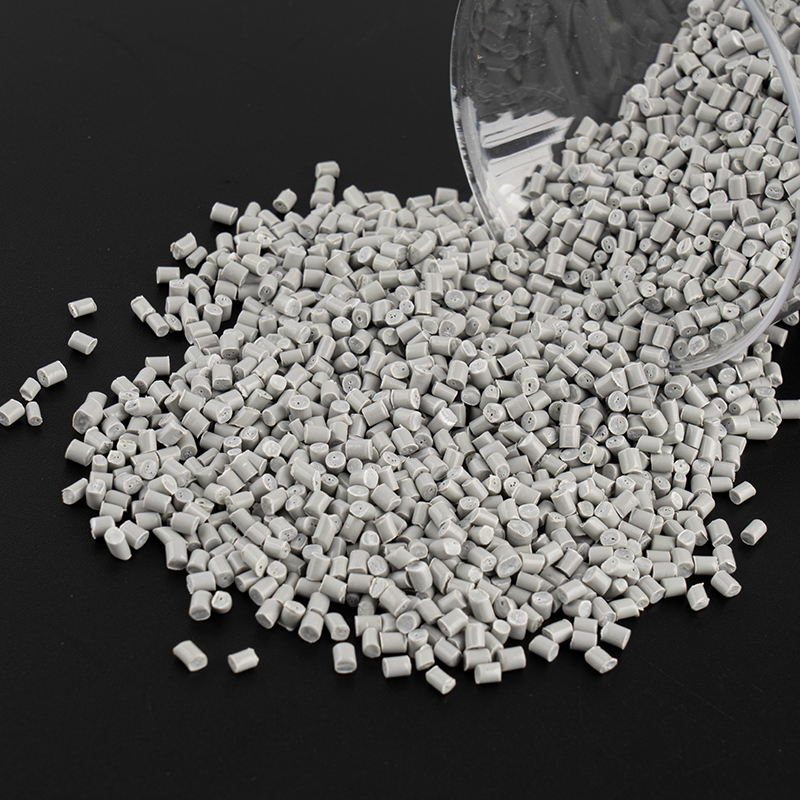
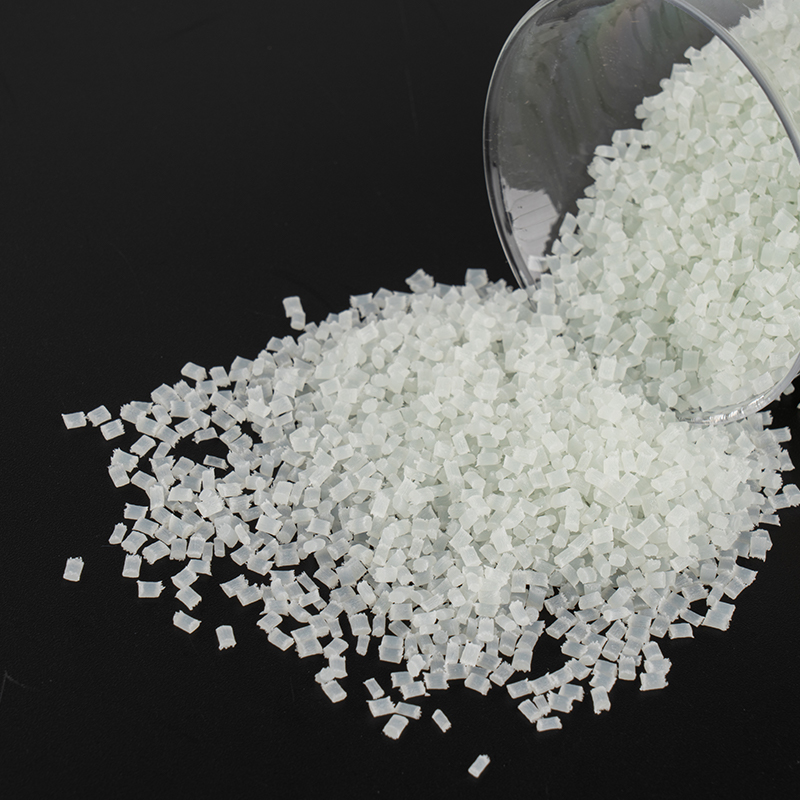
The most durable plastic handles on the market today are typically crafted from Polyamide 6 (PA6), commonly known as Nylon. To achieve metal-like rigidity, manufacturers often utilize Fiberglass-Reinforced Nylon.
1.1.1 Structural Integrity and Tensile Strength
By infusing nylon with glass fibers, the material’s tensile strength is increased exponentially. This prevents the “flexing” sensation often associated with cheaper plastic products. It allows the handle to withstand high torque and repeated daily use without structural fatigue.
1.1.2 Surface Hardness and Abrasion Resistance
Engineering-grade nylon possesses a high molecular density, which provides excellent resistance to scratches and abrasions. This ensures the handle maintains its aesthetic appeal even in busy public corridors or industrial environments.
1.2 ABS and Polycarbonate (PC) Alloys
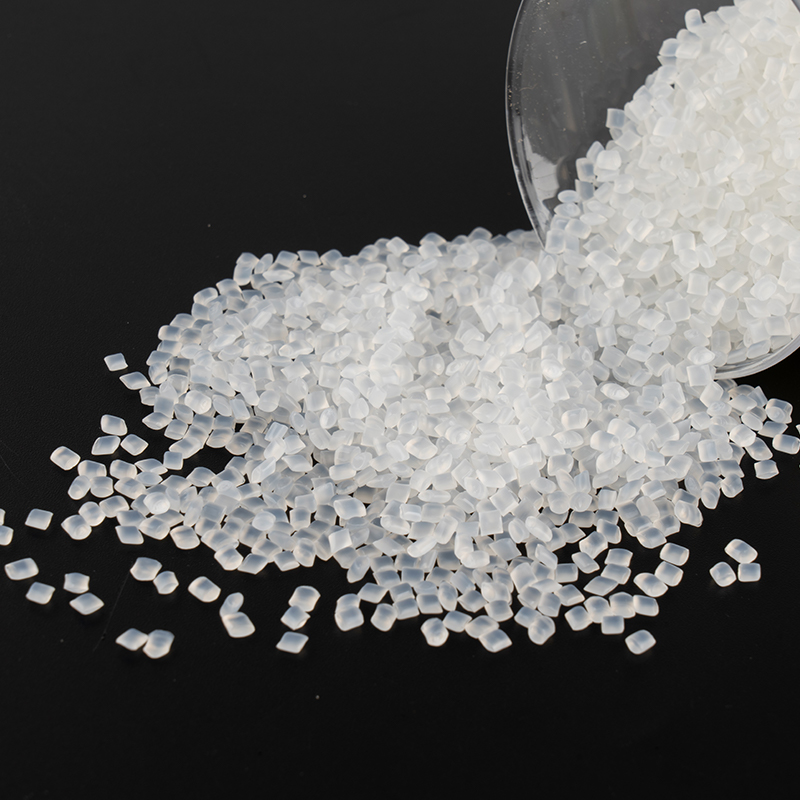
For residential and decorative applications, ABS (Acrylonitrile Butadiene Styrene) and Polycarbonate blends are frequently used. These materials are chosen for their exceptional Impact Resistance.
- Impact Recovery: While a metal handle might dent or lose its plating when struck by a heavy object (like a service trolley), a high-quality polymer handle can absorb the shock and return to its original shape without structural damage.
- Design Flexibility: These alloys allow for complex Injection Molding designs, enabling ergonomic shapes that would be cost-prohibitive to produce in metal.
2. Technical Performance Comparison: Plastic vs. Metal
When evaluating the long-term ROI of door hardware, we must look at the technical data. Below is a comparison of how high-grade Plastic Door Handles perform against common metal alternatives.
2.1 Hardware Material Performance Matrix
| Performance Metric | Stainless Steel (Grade 304) | Solid Brass | Reinforced Nylon (PA6+GF) |
|---|---|---|---|
| Corrosion Resistance | Good (prone to pitting) | Low (requires lacquer) | Superior (Chemically Inert) |
| Surface Temperature | Conductive (Feels hot/cold) | Conductive | Insulating (Warm touch) |
| Color Depth | Surface Finish Only | Surface Finish Only | Color-Through (Integral) |
| Chemical Resistance | Moderate | Poor (acid sensitive) | Excellent (Resists Bleach) |
| Impact Recovery | Permanent Dents | Permanent Scratches | Flexible Recovery |
| Weight | Heavy | Very Heavy | Lightweight/High Strength |
2.2 The Advantage of “Color-Through” Technology
One major durability advantage of plastic is that the color is integral to the material. On a plated metal handle, a deep scratch reveals the base metal underneath, leading to an unsightly appearance. On a Plastic Door Handle, the color goes all the way through. Even if the surface is gouged, the color remains consistent, making it ideal for schools and high-traffic public areas.
3. The “Coastal Advantage”: Defeating Corrosion and Oxidation
In the world of B2B procurement, “durability” is often synonymous with Corrosion Resistance. For properties located in coastal areas or high-humidity zones, metal hardware is a constant maintenance headache.
3.1 Immunity to Salt Spray and “Tea Staining”
Even high-grade 304 stainless steel is susceptible to “tea staining”—a brown, rust-like discoloration caused by salt particles trapped in the brushed finish of the metal. Plastic Door Handles are physically incapable of rusting or oxidizing.
3.1.1 Saline Environment Stability
Because polymers do not react with salt or moisture, they remain completely unaffected by the saline environments that destroy metal finishes within months. This makes them the definitive choice for beachfront resorts and maritime facilities.
3.2 Chemical Resilience in Sterile Environments
In hospitals and laboratories, door hardware is subjected to aggressive chemical cleaning agents multiple times a day. Metal handles often react with these chemicals, leading to the breakdown of protective lacquers.
- Engineering Polymers are designed to resist a wide spectrum of acids, alkalis, and alcohols.
- This makes them the preferred choice for Cleanroom Environments and healthcare facilities where hygiene and chemical resistance are non-negotiable.
4. Ergonomics and Thermal Comfort: The User-Experience Durability
Durability also refers to the longevity of the user experience. A handle that is too hot or too cold to touch is a failure in design.
4.1 Thermal Insulation Properties
Metals are excellent conductors of heat. In outdoor applications, a metal handle can become uncomfortably hot in the sun or painfully cold in the winter. Plastic Door Handles have low thermal conductivity. They act as natural insulators, maintaining a comfortable “neutral” temperature regardless of the external environment. This is a critical safety feature for Senior Living Facilities and Kindergartens.
4.2 Antimicrobial Integration
Modern manufacturing allows for the integration of Silver Ion Antimicrobial Additives directly into the plastic matrix during the Injection Molding process.
- Long-term Hygiene: Unlike metal handles that require a sprayed-on coating (which wears off), plastic handles provide 24/7 protection that lasts for the entire life of the product.
- Maintenance Reduction: This “built-in” durability ensures the handle remains a hygienic touchpoint, reducing the spread of pathogens without constant recoating.
5. The Final Verdict for Your Project
So, can modern Plastic Door Handles truly be as durable as metal? The technical answer is a resounding yes—and in many specific use cases, they are significantly more durable. While stainless steel remains a classic choice for luxury aesthetics, engineering-grade polymers offer a level of immunity to corrosion, chemical resistance, and “color-through” longevity that metals cannot match.
For projects focusing on Coastal Architecture, Healthcare Facilities, or Educational Institutions, investing in high-quality plastic hardware is a strategic decision that reduces maintenance costs and extends the replacement cycle of your door furniture.
6. FAQ: Frequently Asked Questions
Q1: Will high-quality plastic door handles fade in direct sunlight?
A: Leading manufacturers use UV-Stabilized Polymers. These additives prevent the molecular chains from breaking down under ultraviolet light, ensuring that the handles maintain their color and structural integrity for decades, even in outdoor settings.
Q2: Are plastic door handles strong enough for heavy fire doors?
A: Yes. Many Plastic Door Handles are designed with a Solid Steel Core. This hybrid construction provides the extreme mechanical strength required for heavy-duty fire doors while offering the chemical and tactile benefits of a high-grade plastic exterior.
Q3: Is the installation process different from that of metal handles?
A: No. Most modern plastic hardware is designed to fit standard EN or ANSI hole patterns, making them a “drop-in” replacement for existing metal hardware during renovations or new builds.
7. References
- ASTM D638: Standard Test Method for Tensile Properties of Plastics.
- ISO 22196: Measurement of Antibacterial Activity on Plastics and Other Non-porous Surfaces.
- Design and Manufacturing of Engineering Plastics, Journal of Materials Processing Technology, 2025.
- Corrosion Resistance of Polymers in Saline Environments, International Journal of Polymer Science.