

 English
 中文简体
中文简体
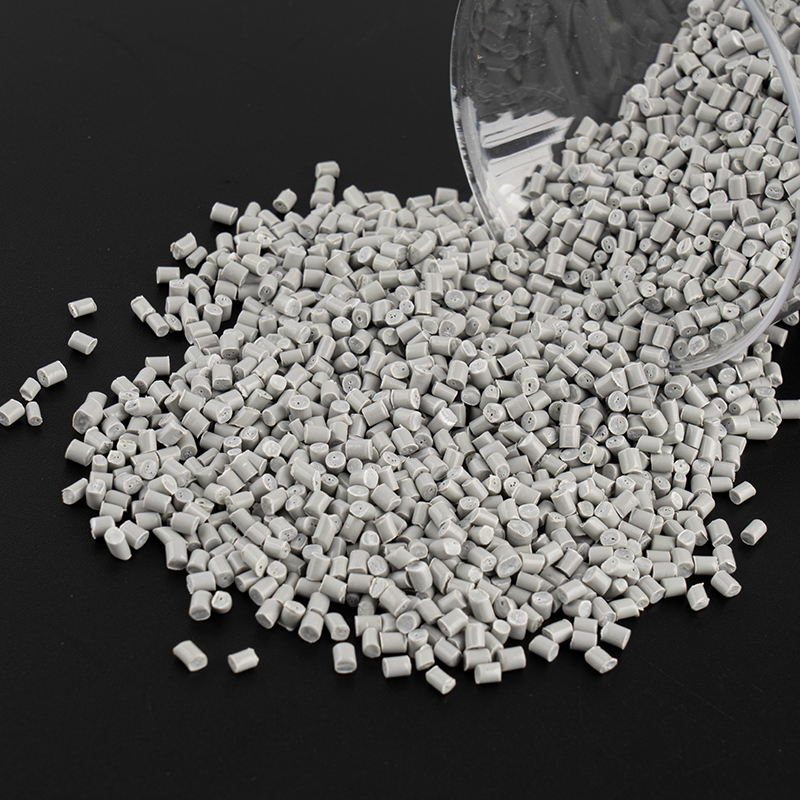
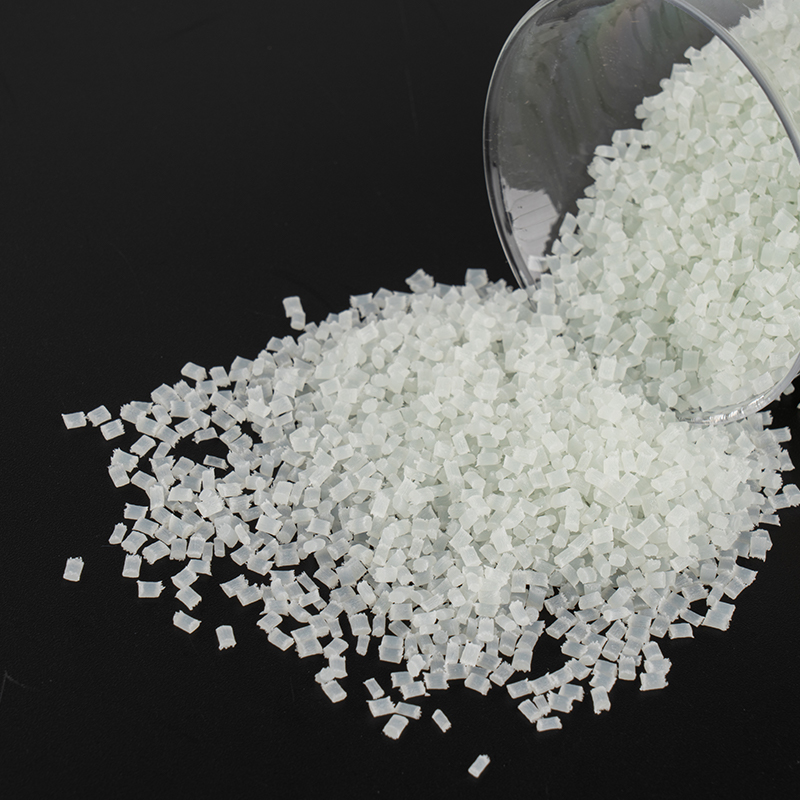
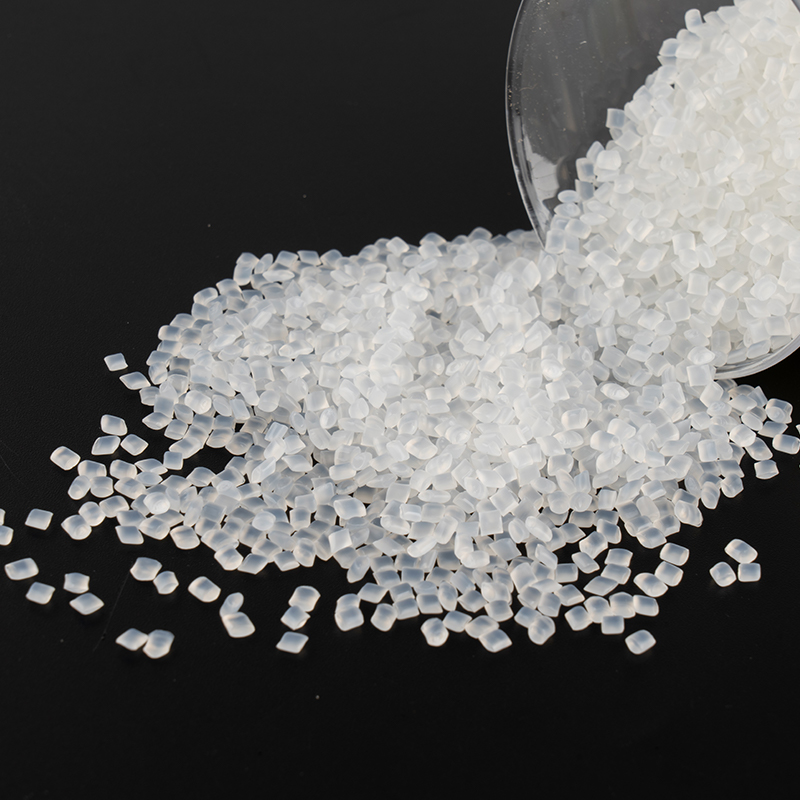
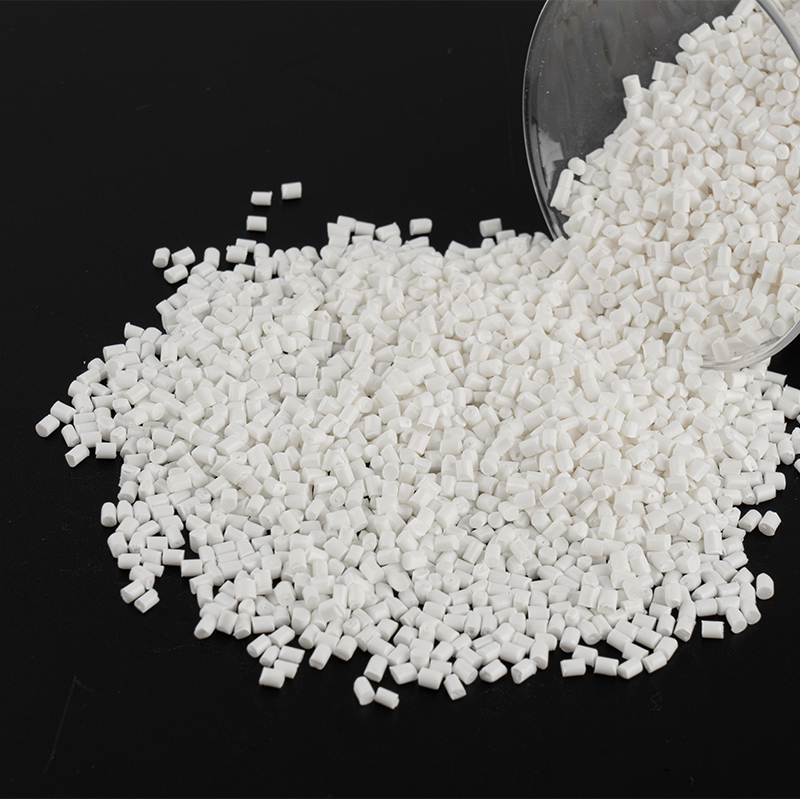
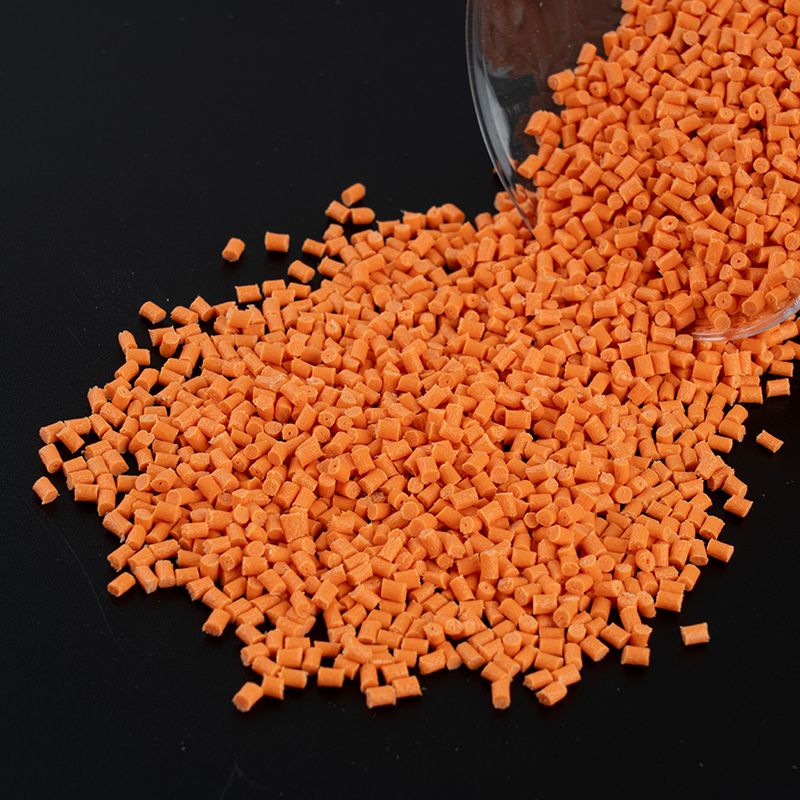
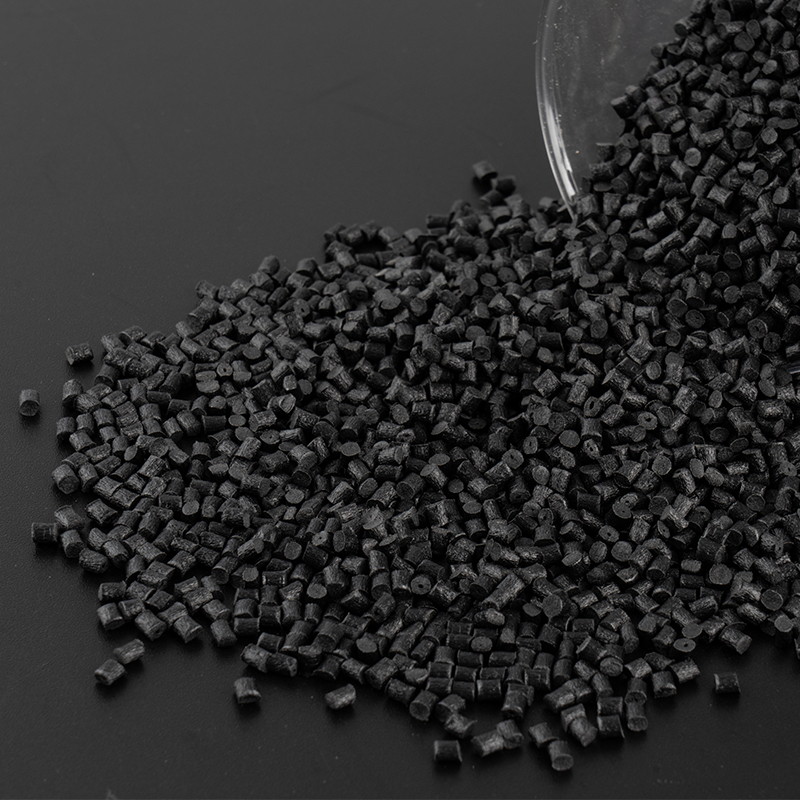
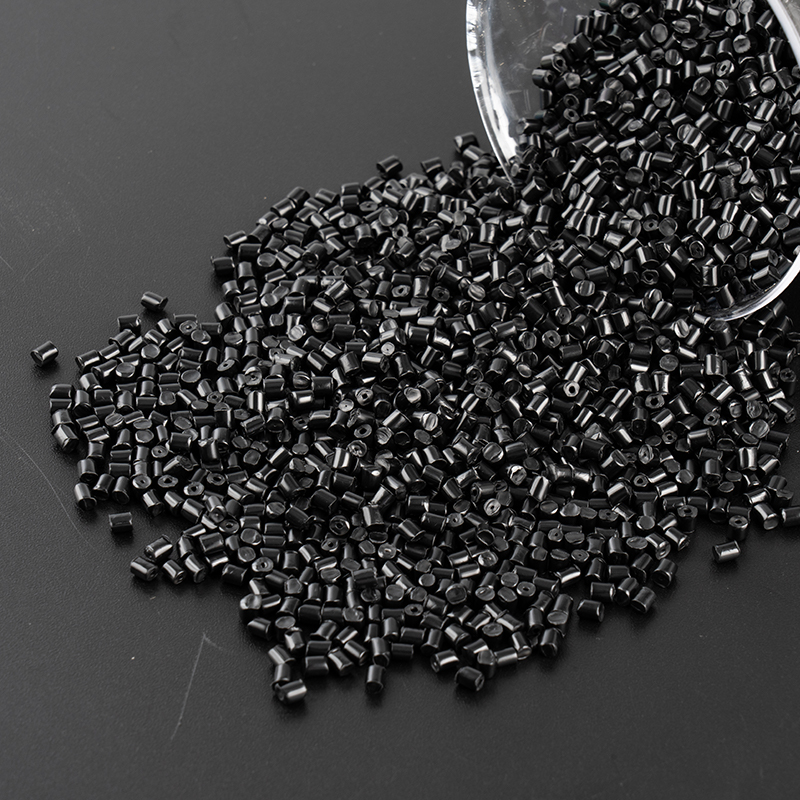
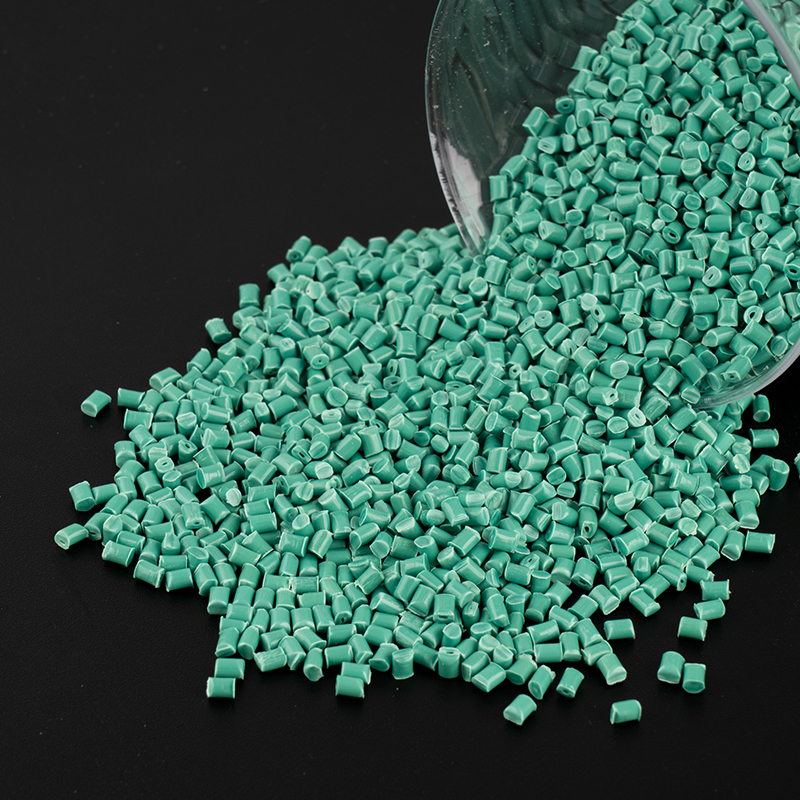
PP modified engineering plastics, also known as polypropylene (PP) that has been enhanced with additives to improve its performance, are widely used across several industries. Their versatility, durability, and cost-effectiveness have made them a popular choice in manufacturing and product development.
1. Automotive Industry
The automotive industry has embraced PP modified engineering plastics due to their lightweight, durable, and cost-effective nature. One of the most significant benefits is their ability to reduce the overall weight of vehicles, which in turn helps improve fuel efficiency and reduce CO2 emissions. PP modified plastics are used extensively in car interiors and exteriors, such as in dashboards, door panels, bumpers, and trims. Their lightweight nature contributes to lowering the overall weight of the vehicle, which is crucial in today’s push for fuel-efficient cars.
These plastics are also resistant to impact, heat, and chemical corrosion, making them perfect for under-the-hood components such as engine covers, air intake manifolds, and cooling fans. With the ability to withstand high temperatures and stress, PP modified plastics ensure longevity and reliability, even in harsh automotive environments. Moreover, their molding flexibility allows manufacturers to produce intricate designs that improve the aesthetics of vehicles while also contributing to cost savings during production.
In addition to reducing vehicle weight, PP modified plastics are also highly recyclable. As automotive manufacturers increasingly adopt sustainability practices, the ability to recycle PP plastics adds an environmentally friendly aspect to their use, making them a key material for the future of green automotive manufacturing.
2. Packaging Industry
The packaging industry is another area where PP modified engineering plastics have proven to be invaluable. The key advantages of these plastics in packaging applications include their excellent resistance to moisture, chemicals, and high temperatures. This makes PP modified plastics ideal for a wide range of packaging products, from food containers to consumer goods packaging.
PP modified plastics are commonly used in the production of bottles, containers, and food packaging, as their chemical resistance ensures that the packaging will not react with the contents. Additionally, PP plastics can withstand temperature fluctuations, making them suitable for both cold and hot food storage. The material’s durability also ensures that it will protect the contents during transportation, reducing the risk of damage or contamination.
The packaging industry has also been moving toward more sustainable practices, and PP modified plastics are helping with this transition. Because they are highly recyclable, PP modified plastics contribute to reducing the environmental impact of plastic waste. Furthermore, their lightweight nature helps lower transportation costs, making the logistics of packaging more efficient and cost-effective.
| Property | PP Modified Plastics | Traditional Packaging Plastics |
|---|---|---|
| Chemical Resistance | High | Moderate to low |
| Durability | High | Moderate |
| Temperature Resistance | Excellent | Varies by plastic type |
| Recyclability | Highly recyclable | Depends on plastic type |
| Cost | Moderate | Typically higher for high-performance options |
3. Consumer Electronics
The consumer electronics industry has benefited greatly from PP modified engineering plastics, particularly for devices like smartphones, televisions, laptops, and home appliances. These plastics offer a combination of strength, impact resistance, and aesthetic appeal that is essential for the demanding consumer electronics market. PP modified plastics are used in the outer casings, components, and housings of electronics to provide protection and enhance the product’s appearance.
One of the most important features of PP modified plastics is their resistance to scratching and impact. Consumer electronics, especially smartphones, are subject to frequent handling and potential drops. PP modified plastics offer a durable solution that helps protect devices from physical damage while maintaining their sleek and modern look. Moreover, these plastics can be easily molded into complex shapes, allowing manufacturers to create aesthetically pleasing designs that appeal to consumers.
In addition to their mechanical properties, PP modified plastics also offer excellent electrical insulation, which is crucial in the manufacturing of electronic devices. This feature makes them safe for use in electrical components and circuits. Their lightweight nature also contributes to reducing the overall weight of consumer electronics, making devices more portable and user-friendly.
4. Healthcare and Medical Industry
In the healthcare and medical industry, the use of materials that can withstand sterilization, chemical exposure, and physical stress is paramount. PP modified engineering plastics meet these criteria, making them an ideal choice for medical devices, packaging, and other healthcare applications. These plastics offer excellent biocompatibility, which is vital in ensuring that products made from them do not negatively affect human health.
Modified PP plastics are used in a variety of medical applications, including surgical instruments, drug delivery systems, syringes, and medical packaging. Their ability to withstand repeated sterilization processes (such as autoclaving) makes them especially useful in hospitals and other healthcare settings. Moreover, the chemical resistance of PP modified plastics ensures that these materials can endure exposure to harsh disinfectants and cleaning agents without degrading.
These plastics also play a critical role in the development of disposable medical products. For example, PP modified plastics are used in the production of sterile containers, test tubes, and medical packaging that must maintain their integrity and safety over time. Their resistance to chemicals, moisture, and heat makes them a reliable material in healthcare products that require both durability and hygiene.
| Application | PP Modified Plastics | Alternative Materials |
|---|---|---|
| Sterilization Resistance | Excellent | Varies (metal, glass, etc.) |
| Chemical Resistance | High | Lower (varies by material) |
| Biocompatibility | Excellent | Varies (depends on material) |
| Cost Efficiency | Moderate | Often higher (glass, etc.) |
5. Textile Industry
The textile industry also benefits from PP modified engineering plastics, especially in nonwoven fabric applications. Nonwoven fabrics made from modified PP plastics are used in products such as geotextiles, medical textiles, and filtration materials. These fabrics offer a unique combination of strength, flexibility, and resistance to environmental degradation, making them ideal for both indoor and outdoor use.
In agricultural applications, PP modified plastics are used in the production of mulch films and greenhouse covers. The material’s UV resistance ensures that the textiles can withstand prolonged exposure to sunlight without deteriorating. Additionally, PP fabrics are often resistant to moisture and mildew, which makes them suitable for outdoor fabrics like tents, tarps, and awnings.
In the automotive industry, PP modified textiles are used in car seat covers, upholstery fabrics, and other interior components. The fabric’s ability to withstand wear and tear while maintaining its appearance makes it an ideal choice for automotive manufacturers. These materials are lightweight, durable, and can be easily molded to fit the interior designs of vehicles.
6. Construction and Building Materials
PP modified engineering plastics are increasingly used in the construction industry for a variety of applications, particularly for piping systems, insulation materials, and building components. The material’s high chemical resistance makes it ideal for use in plumbing and sewage systems, as it can withstand exposure to a wide range of chemicals without corroding.
PP modified plastics are used in the production of lightweight panels, roofing materials, and window frames that require high durability and resistance to harsh weather conditions. These plastics offer excellent resistance to moisture, which makes them particularly suitable for use in areas with high humidity or where water exposure is common.
The construction industry is also turning to PP modified plastics for their sustainability benefits. These materials are lightweight, which makes transportation and installation easier and more cost-effective. Additionally, PP plastics are recyclable, reducing the environmental impact of construction waste.
FAQ Section
1. What is the difference between regular PP plastics and PP modified engineering plastics?
PP modified engineering plastics are enhanced with additives (such as glass fibers or impact modifiers) to improve properties like strength, chemical resistance, and heat resistance. Regular PP plastics lack these modifications and may not perform as well in demanding environments.
2. Are PP modified engineering plastics recyclable?
Yes, PP modified plastics are recyclable. They can be reprocessed and reused, making them an environmentally friendly option compared to other types of plastics that are harder to recycle.
3. Can PP modified plastics withstand high temperatures?
PP modified plastics are designed to withstand higher temperatures than standard PP. They can endure temperatures up to 120°C (248°F) or higher, depending on the specific modifications used.
4. How do PP modified plastics compare to other engineering plastics in terms of cost?
PP modified plastics are generally more cost-effective than other engineering plastics, such as polycarbonate or nylon, because they are easier to manufacture and do not require as many expensive additives.
References
- Smith, J. (2022). Advanced Engineering Plastics: Their Applications and Benefits in Modern Manufacturing. Journal of Materials Science.
- Liu, Z. & Chen, Y. (2021). The Role of Modified Polypropylene in Automotive and Packaging Industries. International Journal of Plastic Engineering.
- Brown, H. (2023). Sustainability in Plastics: The Impact of Modified PP in Green Manufacturing. Environmental Science and Technology.