

 English
 中文简体
中文简体
Introduction
Modified engineering plastics are specialized materials widely used in modern manufacturing due to their enhanced mechanical, thermal, and chemical properties. These materials often outperform standard plastics in terms of strength, dimensional stability, heat resistance, and wear resistance, making them essential in demanding applications such as automotive components, electrical parts, medical devices, and industrial machinery.
Despite their advantages, improper processing or maintenance can lead to material degradation, defects in molded parts, and increased production costs. Understanding the unique properties of these plastics, along with proper processing techniques and maintenance practices, is crucial for manufacturers to achieve optimal product performance and longevity.
What Are Modified Engineering Plastics?
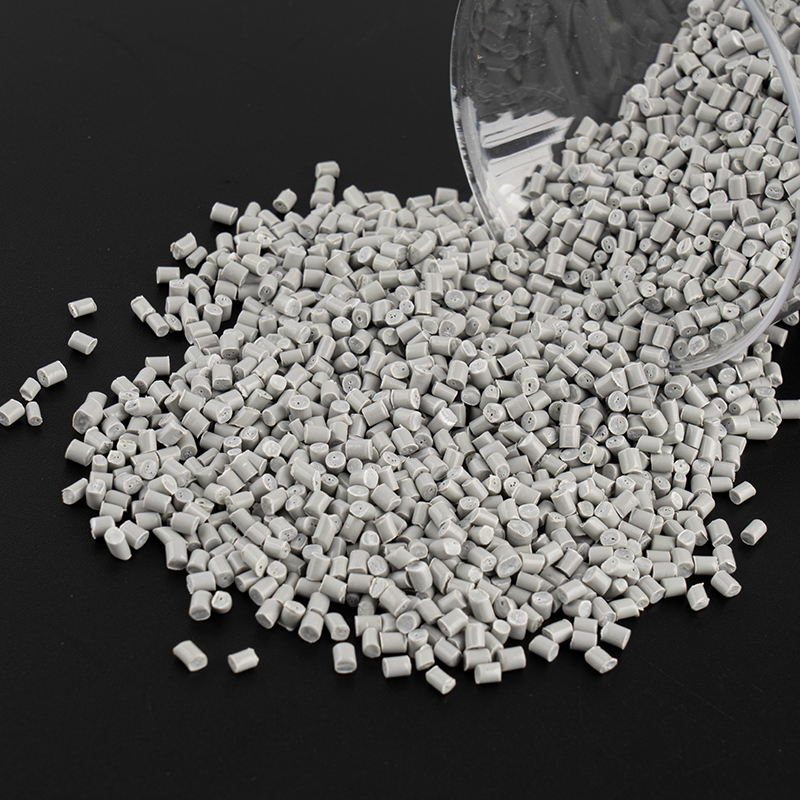
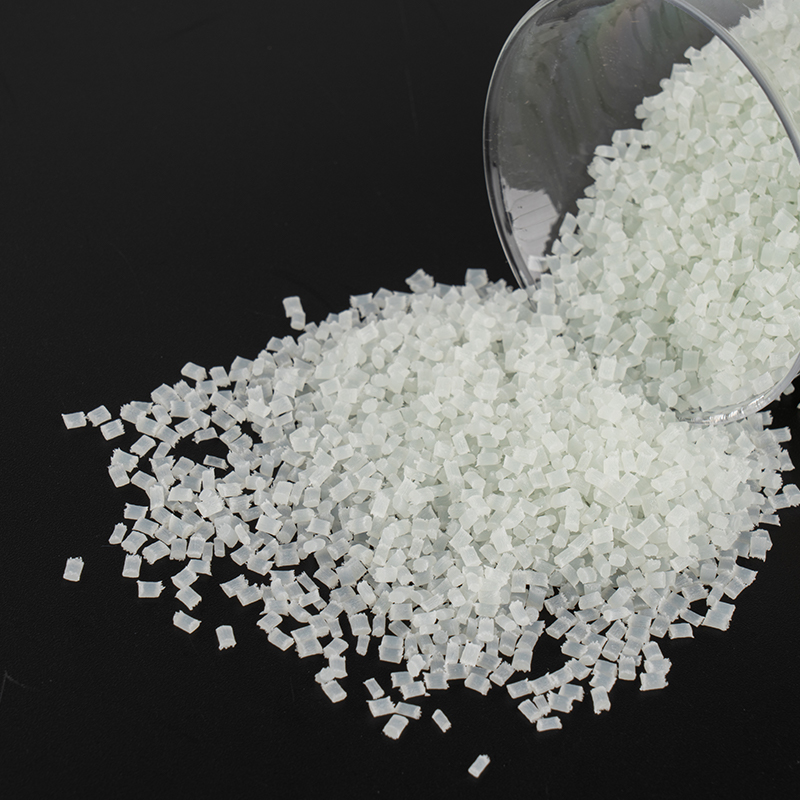
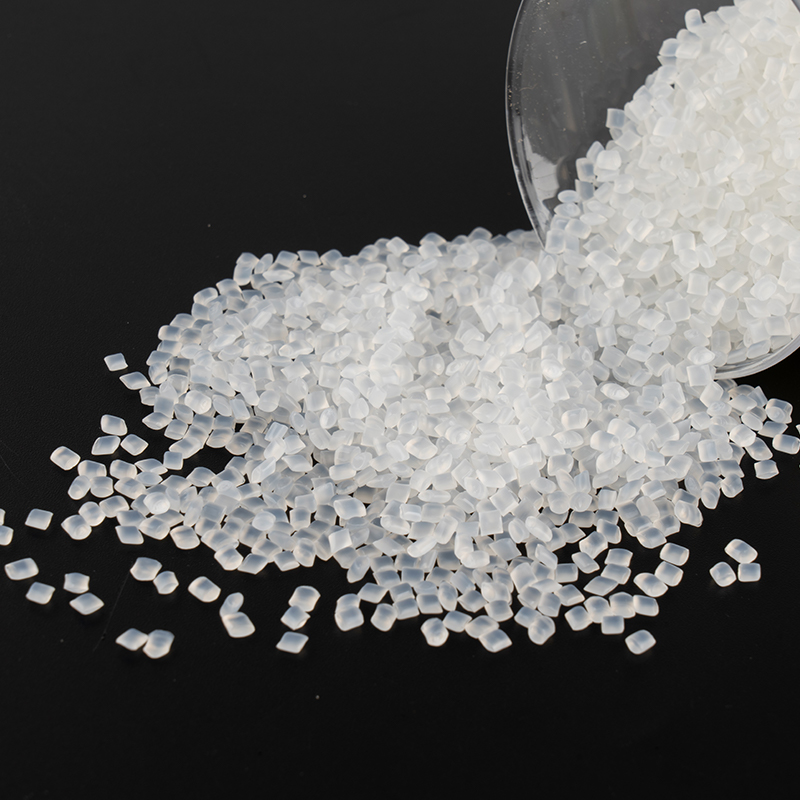
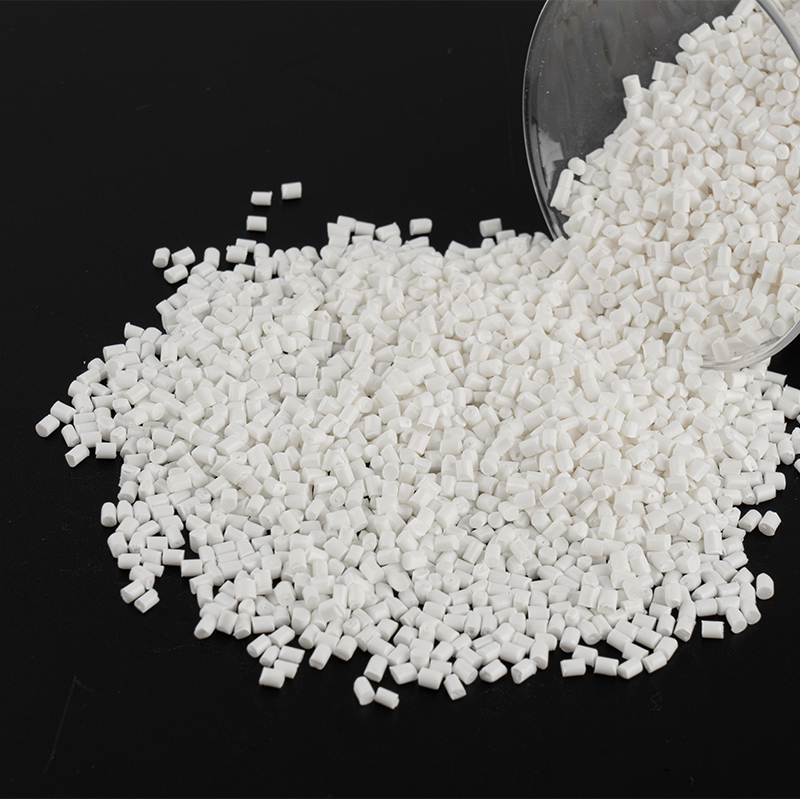
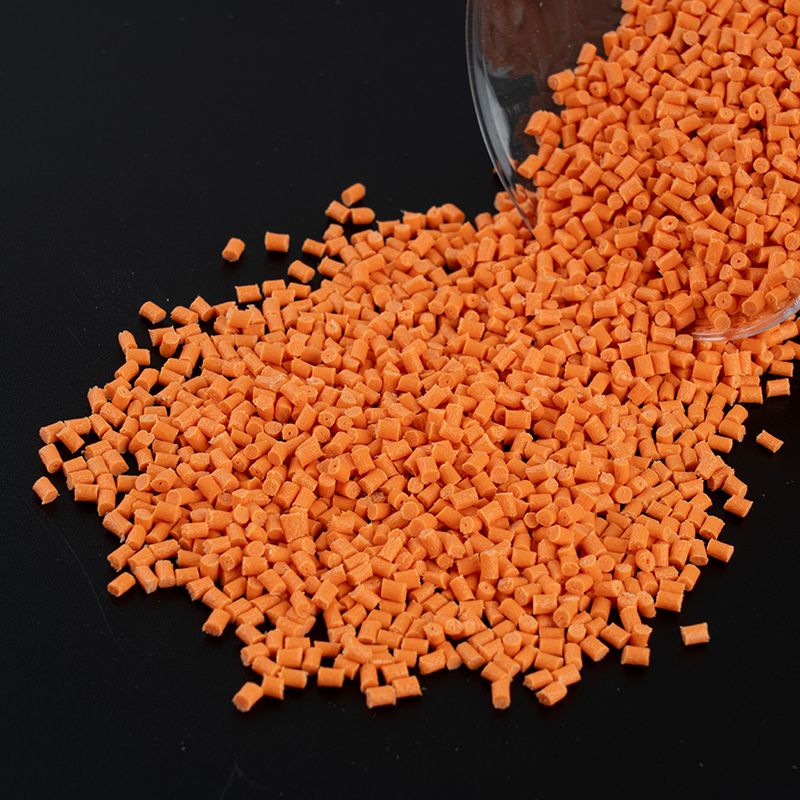
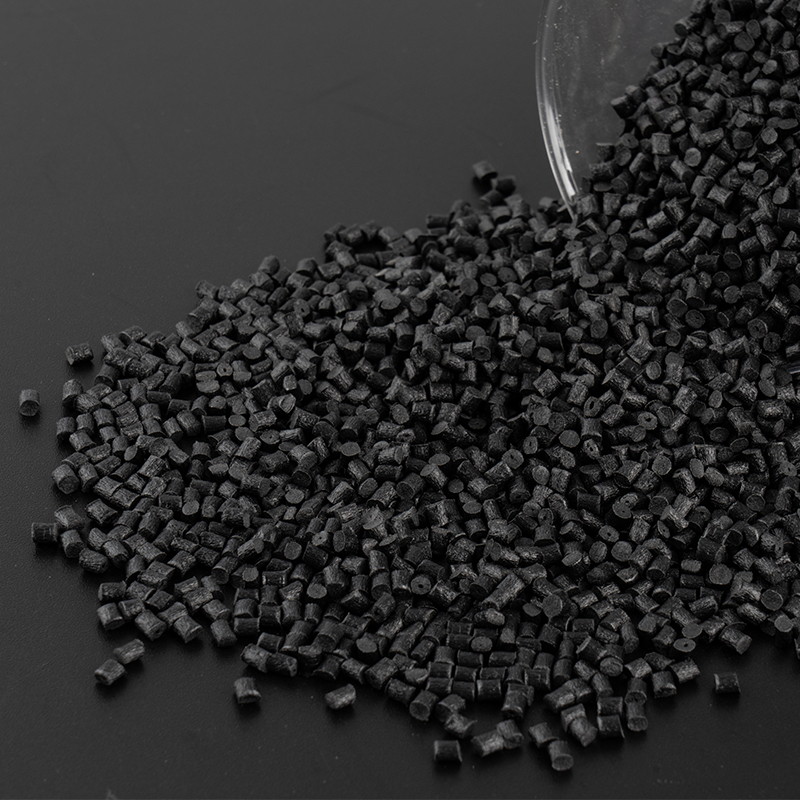
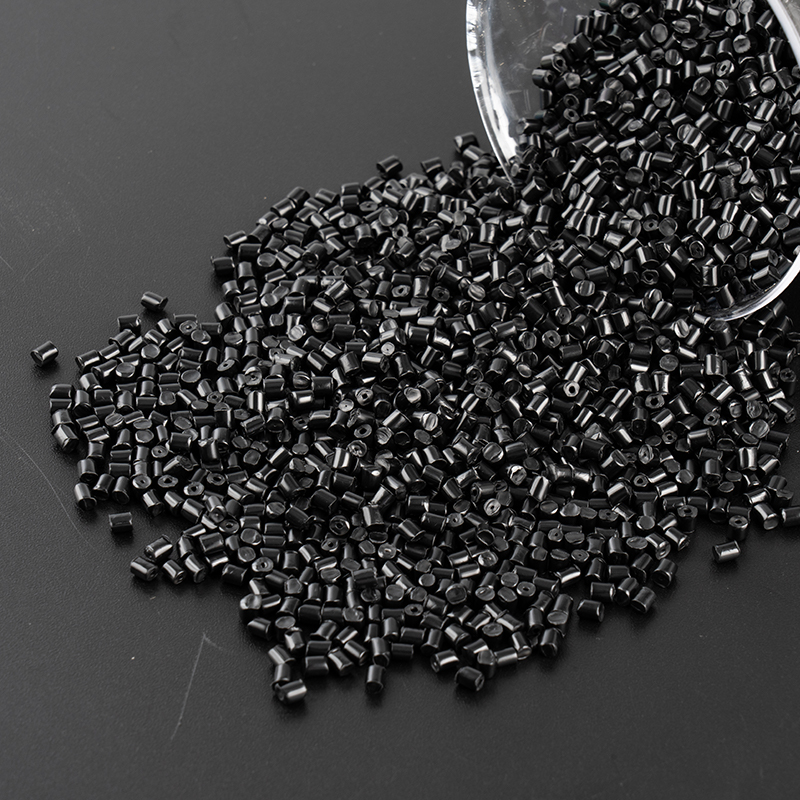
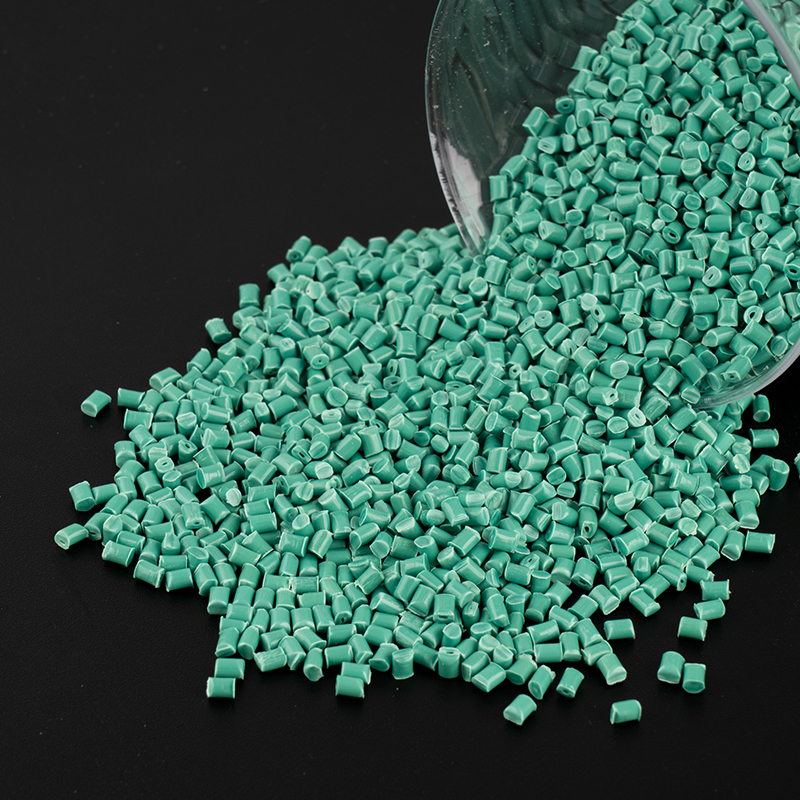
Modified engineering plastics are thermoplastics or thermosetting polymers enhanced with additives to improve specific properties. Additives may include glass fibers, carbon fibers, flame retardants, impact modifiers, or heat stabilizers. These modifications allow the plastics to withstand harsh conditions while maintaining strength, toughness, thermal stability, and chemical resistance.
Common types of modified engineering plastics include PA (polyamide), PEEK (polyetheretherketone), PPS (polyphenylene sulfide), and PC (polycarbonate), often reinforced with fibers or fillers. These materials are used in applications where durability, dimensional accuracy, and long-term stability are critical. Due to their specialized formulations, processing parameters such as temperature, pressure, and moisture control are much stricter than for standard plastics. Failing to follow these requirements can result in defective products, waste, and even equipment damage.
Best Practices for Processing Modified Engineering Plastics
1. Temperature Control
Temperature management is one of the most critical factors when processing modified engineering plastics. High-performance materials like PEEK and PPS have narrow processing windows and high melting points. Exceeding recommended temperatures can degrade polymer chains, causing discoloration, brittleness, or reduced mechanical properties. Conversely, underheating can lead to poor flow, voids, or incomplete filling in molds, compromising product quality.
2. Moisture Management
Many engineering plastics, particularly polyamides, are hygroscopic, meaning they absorb moisture from the environment. Excess moisture can cause hydrolysis during processing, resulting in bubbles, voids, and reduced structural integrity. Pre-drying materials using desiccant dryers or vacuum ovens according to the manufacturer’s specifications is essential before extrusion, injection molding, or thermoforming. Proper moisture management ensures that the final product maintains its mechanical and thermal performance.
3. Tooling and Equipment Maintenance
Maintaining molds, dies, screws, and barrels in excellent condition is vital. Residue buildup, scratches, or worn parts can negatively affect the surface finish, dimensional accuracy, and mechanical properties of the final product. Regular cleaning, lubrication, and inspection of processing equipment prevent contamination and ensure consistent material flow. Operators should follow strict maintenance schedules and use manufacturer-recommended cleaning agents to preserve both equipment and material quality.
Common Processing Considerations for Modified vs Standard Plastics
| Feature | Modified Engineering Plastics | Standard Plastics |
|---|---|---|
| Processing Temperature | High, precise control needed | Moderate, wider tolerance |
| Moisture Sensitivity | High (hygroscopic) | Low to moderate |
| Tooling Requirements | High-quality molds and screws | Standard molds |
| Cycle Time | Often longer due to high-temperature processing | Standard cycle times |
| Mechanical Properties Post-Processing | Maintained if processed correctly | Generally stable, less sensitive |
| Cost of Mistreatment | High (material loss, scrap) | Moderate |
Maintenance Practices for Manufacturing Equipment
1. Regular Inspection
Frequent inspections of molds, screws, and barrels help identify wear, corrosion, or damage early. Detecting these issues before production prevents defects, reduces scrap, and ensures dimensional accuracy in finished parts. Maintaining equipment proactively is key to reliable production and quality consistency.
2. Cleaning and Lubrication
Residue from high-temperature plastics can accumulate and interfere with proper material flow. Using manufacturer-recommended cleaning compounds and lubricants prevents buildup while prolonging the lifespan of moving components. Proper lubrication reduces mechanical stress, minimizes wear, and ensures smooth operation of the processing machinery.
3. Environmental Control
Maintaining controlled manufacturing conditions—including temperature, humidity, and cleanliness—helps prevent material degradation and contamination. This is particularly important for moisture-sensitive plastics such as PA or PEEK. Environmental control not only preserves material properties but also improves safety and efficiency in production.
4. Proper Storage and Handling
Modified engineering plastics should be stored in sealed, moisture-controlled containers, away from UV light, excessive heat, or contaminants. Labeling materials accurately ensures that different grades or lots are not mixed, preventing inconsistencies in material performance. Correct handling reduces the risk of material damage before processing.
Tips for Optimizing Production
- Follow manufacturer-recommended processing parameters precisely.
- Monitor melt flow and viscosity to detect early signs of material degradation.
- Implement quality control checks for dimensional accuracy, surface finish, and mechanical performance.
- Train operators on the specific requirements of modified engineering plastics.
- Document processing conditions to maintain consistent results across production batches.
By adhering to these tips, manufacturers can minimize waste, improve product quality, and extend the service life of both materials and equipment.
FAQ
Q1: Can modified engineering plastics be processed on standard machines?
A1: Some can, but high-performance polymers often require specialized temperature controls, drying systems, and high-quality molds. Always consult manufacturer guidelines.
Q2: How can moisture-related defects be prevented?
A2: Pre-dry hygroscopic materials using desiccant dryers or vacuum ovens, and store them in moisture-free, sealed containers.
Q3: What happens if plastics are overheated during processing?
A3: Overheating can degrade polymer chains, resulting in discoloration, brittleness, reduced mechanical properties, and potential scrap parts.
Q4: How often should processing equipment be maintained?
A4: Equipment should be inspected and cleaned regularly, ideally before each production run, to prevent residue buildup and ensure quality.
Q5: Are modified engineering plastics recyclable?
A5: Some are recyclable depending on the additives and reinforcements used. Consult suppliers for specific recycling guidelines.
References
- Osswald, T.A., & Hernández-Ortiz, J.P. Polymer Processing: Principles and Design.
- Harper, C.A. Handbook of Plastics, Elastomers, and Composites.
- Plastics Technology. Processing Guidelines for Modified Engineering Plastics.
- Polymer Science and Technology Journals. Advanced Thermoplastics in Industrial Applications.